Brands advertise being human as people grow uneasy about AI
Brands in the United States are advertising human contact and time away from screens, because many people are uneasy about AI. Surveys put that unease at half to sixty percent of consumers, and Polish publishers are doing the same thing.
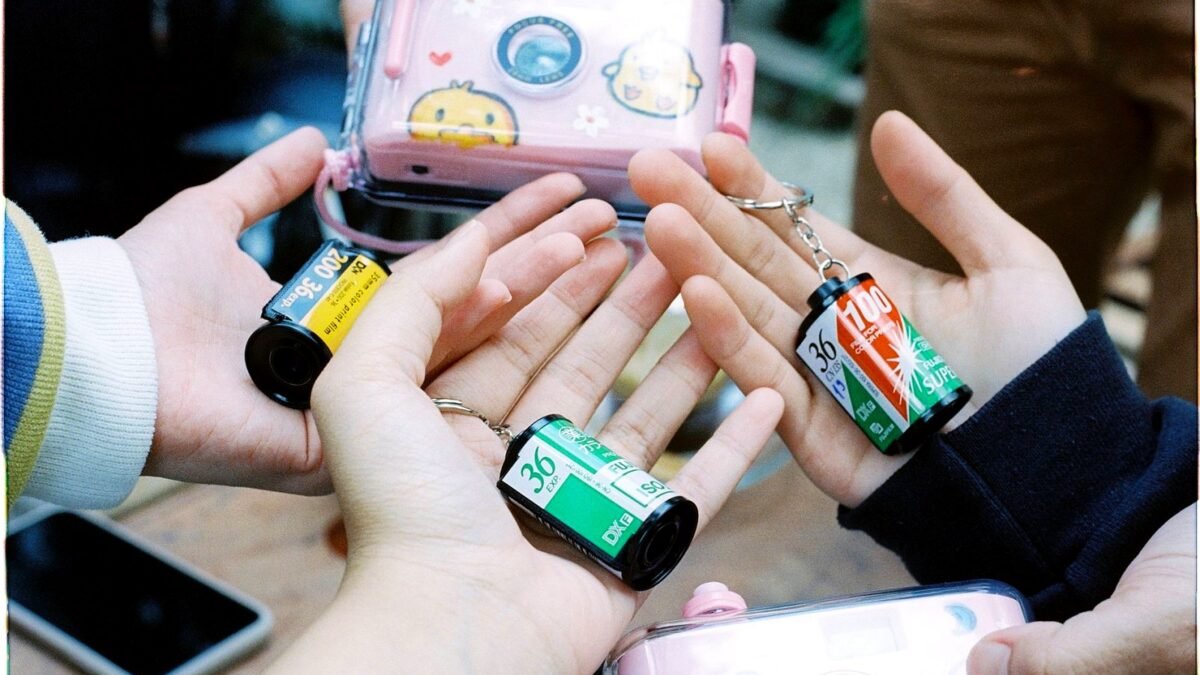
Photo: stayhereforu / Pexels
More brands are advertising the fact that a person stands behind the product. Marketing Brew’s September 1 survey of recent work found campaigns from Etsy, TD Bank, Polaroid, Pinterest and Heineken. All of them talk about human contact and time spent away from screens. Two AI companies joined in directly. Anthropic ran a 90-second film for Claude called “Hope in Hard Questions”, which speaks to people’s distrust of the technology. Meta ran “The Future is For Everyone”, which is upbeat about technology. Liquid Death and Garage Beer did the opposite, with a 90-second musical about cooling server farms with urine.
Six in ten US consumers are put off by AI in brand messages
Digiday this week cited a survey by WordPress VIP. In it, sixty percent of US consumers said AI in brand messages puts them off. Gartner figures quoted by Marketing przy Kawie show that half of consumers would rather brands did not use generative AI, meaning AI that writes text or makes pictures, in anything customers see. Sixty-eight percent of internet users doubt that what they see online is real. Edelman’s 2026 Trust Barometer found that about half of people on lower and middle incomes see AI as more of a threat than a benefit.
Megha Parikh of VML told Marketing Brew that people feel they are not in control. She called being human “a very powerful message to empower people.” Marcus Collins of the University of Michigan said this is a big moment for society. Andy Pearson of Liquid Death joked that brands proving they are human now resemble the “I am not a robot” test.
Brands use real film and visible flaws to show a person was there
The signs in the craft are consistent. Brands use real film, handmade items, behind-the-scenes footage and small visible flaws. All of it is meant to show that a person was there. Digiday reports that brands are moving money to older millennial and Gen X creators. Their stories about mortgages, children and health are hard to fake. Agencies say these deals now often run long term instead of one-off.
Poland is doing the same thing. Marketing przy Kawie points to a five-message outdoor campaign by Tygodnik Powszechny, led creatively by Ewelina Lebida. It asks whether a chatbot hugged the reader today, and promises company with people rather than algorithms. The Economist used the outdoor screen lines “Pre-empt the prompt” and “Authentic intelligence” in 2026.
Instagram cuts reach for unlabelled AI personas from 31 August
There is a catch. Most of these advertisers use AI a lot behind the scenes. New rules now bring that into the open. Instagram said on August 31 that it will show unlabelled AI personas to fewer people. The AI Act, the EU’s new rules for artificial intelligence, has required labels since August 2. A human-first message works only as long as an AI-made main picture does not contradict it. Brands that decide where AI stays hidden, where it is disclosed and where a person has to be on camera may be better placed.
Sources
- Marketing Brew — campaign examples (Etsy, TD Bank, Polaroid, Pinterest, Heineken, Anthropic, Meta, Liquid Death/Garage Beer), Parikh/Collins/Pearson comments, craft signals, 1 Sep 2026
- Digiday — WordPress VIP survey 60% turnoff stat, shift to older creators, long-term deals, 2 Sep 2026
- Marketing przy Kawie — Gartner 50%, 68% authenticity doubt, Edelman 2026, Tygodnik Powszechny OOH campaign (Ewelina Lebida), The Economist 2026 DOOH lines, 31 Aug 2026