Google tests AI Mode ads that use Gmail and Photos insights. Advertisers get no controls
Google is testing ads in AI Mode that can draw on summaries from a user's Gmail, Photos and other linked apps. Advertisers get no new controls.
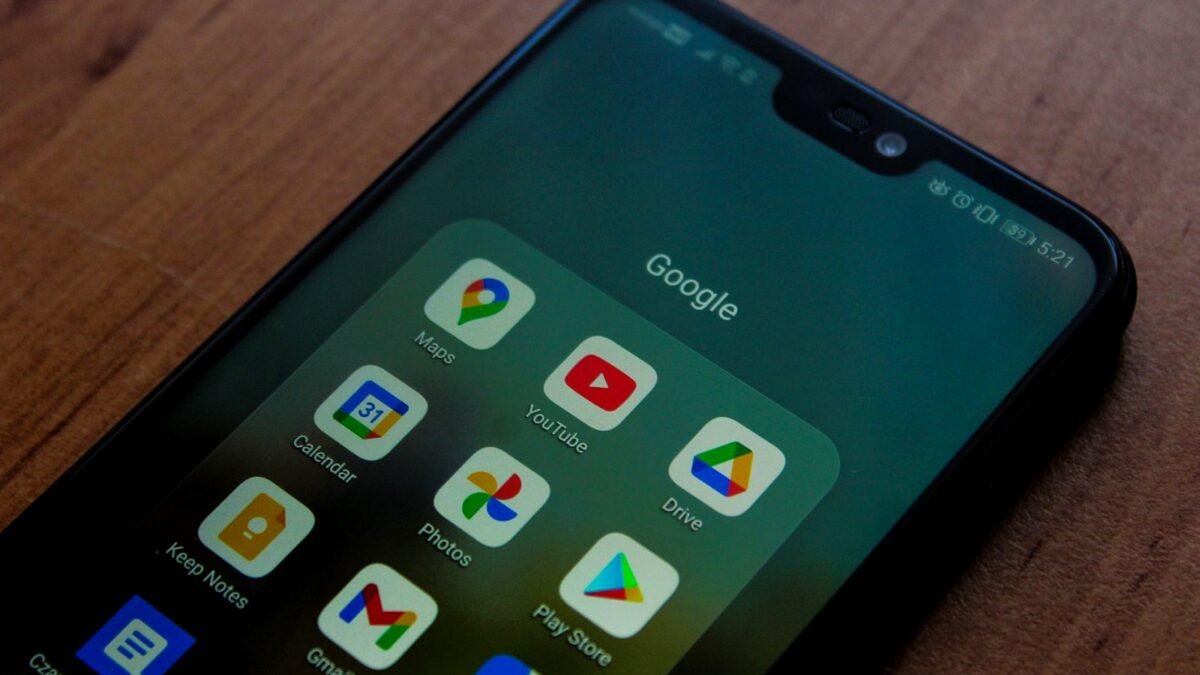
Photo: Czapp Árpád / Pexels
Google has started testing AI Mode ads for people who link Gmail, Google Photos and other apps to its Personal Intelligence feature. The company confirmed the test to Search Engine Land, which reported it on 16 October.
In the test, summaries and insights drawn from those apps can help pick the ads shown inside AI Mode, Google’s chat-style search. Google says the ads will not be based directly on a person’s Gmail inbox or Photos library. Advertisers cannot see the connected apps.
Google’s help page keeps health, religion and race out of ad signals
Google has updated its privacy policy and a Search help page to explain the change. The Keyword quoted that help page on 17 October. It says race, religion, sexual orientation and health are not used to personalise ads. Linking apps is opt-in, and users can unlink them at any time.
Google told Search Engine Land that the ads will still reflect the query, the AI answer around them and the user’s interests. It has not said which countries are in the test or how big it is. It has also not said whether the same signals shape ads in Maps, Shopping or Discover.
Personal Intelligence launched in January without ads
Personal Intelligence arrived in January as a Labs feature for US subscribers to the paid AI Pro and Ultra plans. In March it opened to all free US users with personal Google accounts. When it launched, Google said AI Mode would stay ad-free for people who turned it on.
Since 2017, Google has promised not to show ads based on the content of Gmail messages. In July, Fast Company asked whether AI summaries could get around that promise. Google spokesperson Allie Bodack said Gmail data was not used for targeted ads, adding: “that’s not the case today.”
OpenAI uses chat history, Google uses outside apps
Google has announced no new targeting option, control or report for advertisers. Brands cannot ask to reach people through these signals, and they cannot see when the signals were used.
OpenAI takes a different route. According to The Keyword, ChatGPT ads draw on a person’s chat history rather than on separate apps. ChatGPT ads already reach 43% of eligible US users, so both companies now sell ads inside AI answers. For publishers, the stakes are traffic: one field study found that AI Mode cut clicks to websites by 18.8 points.
Google gains a signal no rival ad platform holds: summaries of a person’s email, photos and calendar. Advertisers may get closer matches, but they cannot buy, exclude or measure that signal on its own. Users hold the switch, because only people who linked their apps are in the test.
Sources
- Search Engine Land — Google confirms test of ads for Personal Intelligence users in AI Mode, 16 Oct 2026
- The Keyword — Details from Google's Search help page on ad personalisation, 17 Oct 2026
- Fast Company Middle East — Google's 2017 Gmail promise and spokesperson comment, 28 Jul 2026