Meta Muse is an AI agent that can shop and pay on the user’s behalf
Meta Muse is a personal AI agent that books travel, sends email and buys things for the user. Meta launched it on 8 September in the United States.
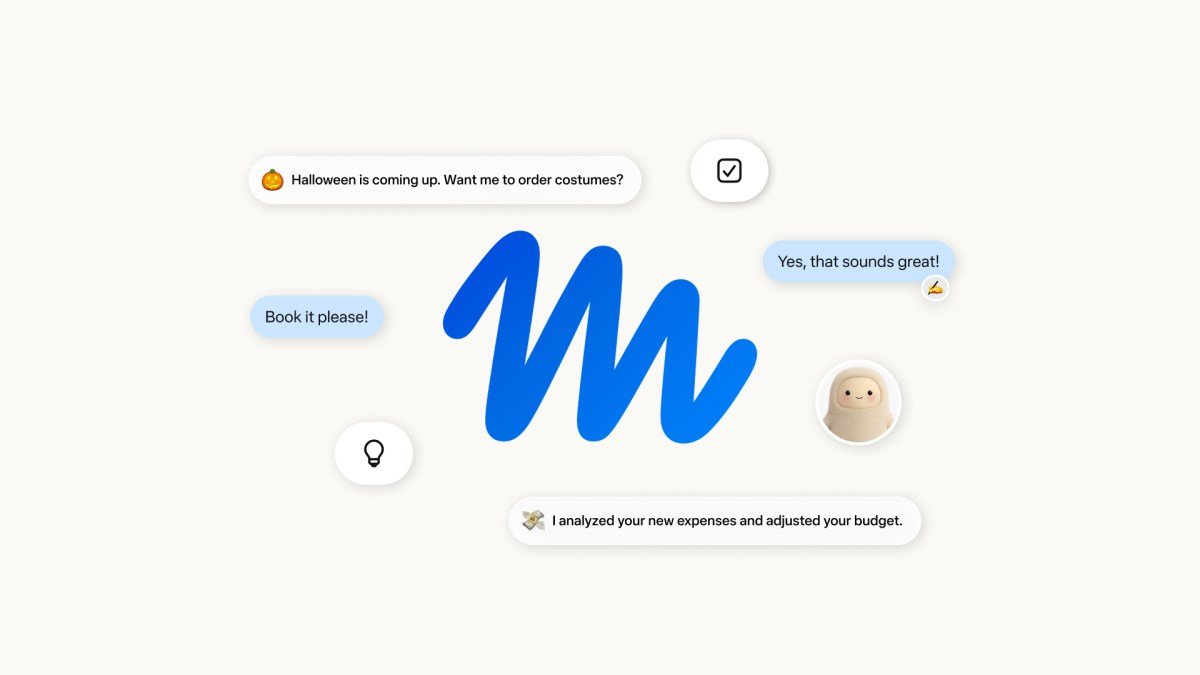
Press material, Meta
Meta Muse is a personal AI agent that books travel, sends email and buys things for the user. Meta launched it on 8 September in the United States, on iOS, Android and at muse.ai.
Muse runs in its own app and inside WhatsApp
The agent lives in a separate Muse app and in WhatsApp, and Meta says a version for its AI glasses is coming. Basic use is free. Advanced features sit behind a subscription, and the company has not published the prices.
The difference from a chatbot is that Muse acts. It can send an email once the user approves it, book a trip, keep working after the app is closed and suggest things without being asked.
Checkout goes through Link, built by Stripe
This is the part that matters for anyone selling online. When Muse buys something, the payment runs through Link, a checkout built by Stripe. Link issues a one-time card number, so the shop never sees the real card. Meta lists buyer protections attached to it: cover for damaged or lost items, price drops, and returns without a fee.
Support for Shop Pay and for the 1Password manager is listed as coming. In other words, the agent brings its own wallet to your shop.
Meta says Muse data does not reach its ad systems
Meta states that data from Muse is not shared with its advertising systems, and that users can opt out of having their conversations used for training. There is no mention of ads inside Muse in the announcement.
Take the promise as a starting position rather than a settled fact. Meta is under pressure in Europe on how it handles advertising, and Poland has asked the EU to fine the company €250m over scam ads. What a platform says at launch and what it monetises two years later are often different things.
A Sentinel agent decides when Muse may go online
The security design is unusually detailed for a launch post. Muse runs in an isolated environment Meta calls Muse Secure VM. A second agent named Sentinel approves its access to the internet. Meta says Muse cannot see passwords or payment details, users pick which apps it may touch, and every action is logged so it can be checked afterwards.
What a shop should put in front of a buying agent
An agent reads a product page the way a machine does. It wants price, availability, delivery time, size and return terms in plain text it can parse, not in an image or a video.
Three consequences follow. Product data quality becomes a sales channel, not a back-office chore. Attribution gets harder, because a purchase arriving through a one-time card and an agent session looks like nothing in your analytics. And the brand story loses some ground, since the agent, not the shopper, is the one reading your page. Brands have spent this year advertising how human they are, which is a harder pitch when the customer sends software to do the shopping.
Sources
- Meta Newsroom — the company own announcement, 8 September 2026
- Axios — independent report on the launch
- TechCrunch — independent report on the launch and the trust question
- Social Media Today — trade report, 9 September 2026