European Commission proposes Digital Fairness Act. Fines could reach 6% of turnover
The draft bans fake scarcity, drip pricing and subscription traps, and sets the first EU-wide rules for influencers.
European Union, 2026, Audiovisual Service
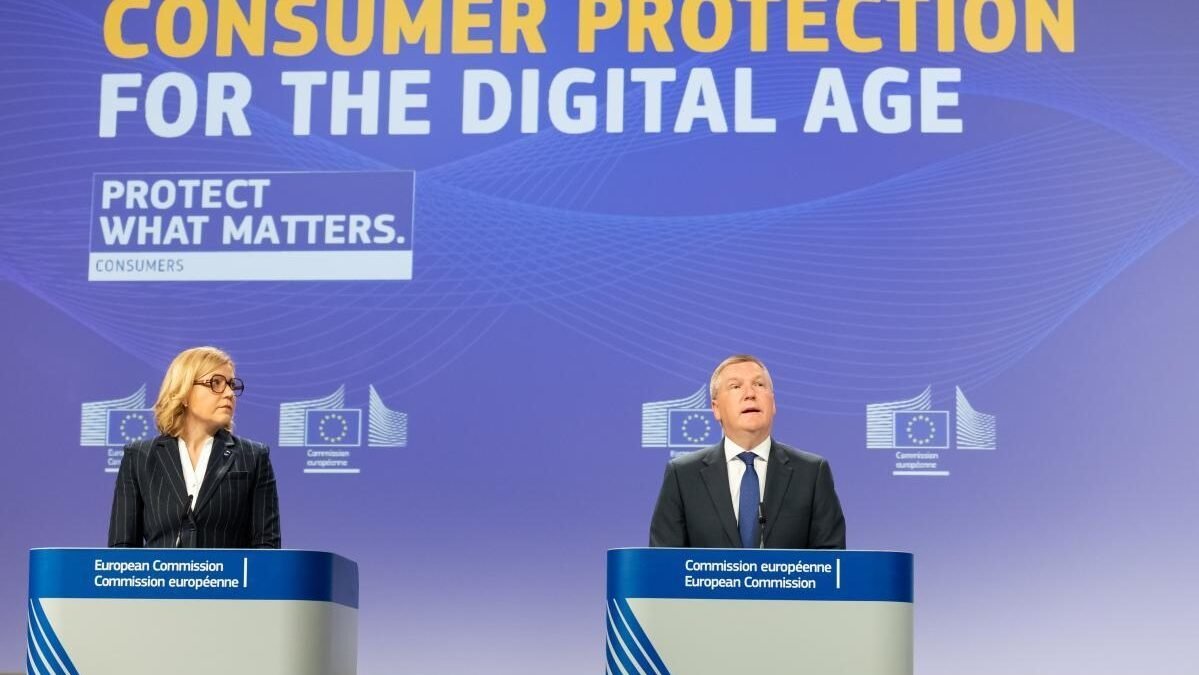
The European Commission tabled the Digital Fairness Act on 11 November 2026. The draft outlaws fake “only 1 left” warnings, makes shops show the full price on the first screen and writes the first EU-wide rules for influencers. A companion reform would let Brussels fine companies up to 6% of global annual turnover in large cross-border cases.
The Commission puts dark patterns on its banned list
The act would replace the Unfair Commercial Practices Directive, which has been in force since 2005. It keeps the familiar tests for misleading and aggressive practices but adds new items to the blacklist of practices that are always unlawful. According to law firm Lewis Silkin, these include false scarcity claims, buttons that shame people for saying no, pre-ticked boxes and extra items dropped into the basket by default.
Price rules go further. Companies would have to show the total price, with fees and taxes, from the start, which ends drip pricing. Ticket sellers running virtual queues would have to show the current price in real time and the highest price a buyer could face. Personalised ads and prices aimed at minors or built on sensitive data would be restricted.
Brands and agencies answer for the creators they pay
Influencers would have to label paid posts clearly instead of presenting them as personal advice. They could not promote products that are banned from advertising, or pitch products to children that are not suitable for them. Lewis Silkin notes that brands and agencies would be expected to make sure their creators follow the rules.
Subscriptions would need a simple cancel option. People would get a reminder before a free trial ends and would have to confirm actively before it turns into a paid contract. Shoppers would also gain the right to reach a human in customer service, and clearer rights when an AI agent buys something for them.
McGrath puts the consumer benefit at €13.7bn a year
Consumer commissioner Michael McGrath described the package as the biggest overhaul of EU consumer rules in more than 20 years, Euronews reported. The Commission estimates a yearly benefit of €13.7bn for consumers, against recurring costs for businesses of €678m. Companies based outside the EU would need a legal representative inside it.
Today enforcement is national and patchy. We reported earlier how EU regulators chase hidden fees case by case, and how Germany’s top civil court voided an Amazon Prime price clause. Critics are not fully satisfied. European Digital Rights told Euronews that the addictive-design rules still leave it to users to find the off switch.
Three places in a typical online business are hit first: the checkout, the cancellation flow and creator contracts. A pre-ticked add-on, a countdown timer with no real stock behind it or an influencer brief that does not require a paid-post label would all breach the text as proposed. The European Parliament and member states still have to agree the final wording.
Sources
- European Commission — source document: Commission announcement of the Digital Fairness Act proposal, 11 Nov 2026
- Euronews — report with figures and reactions, 11 Nov 2026
- Lewis Silkin — legal analysis of the proposal, 11 Nov 2026