US regulator says Amazon raised ad auction prices in secret for seven years
The US regulator and 22 states say Amazon put a hidden floor price into auctions it sold as second-price auctions. For people who buy ads on online shops, a question about price is now a question about trust.
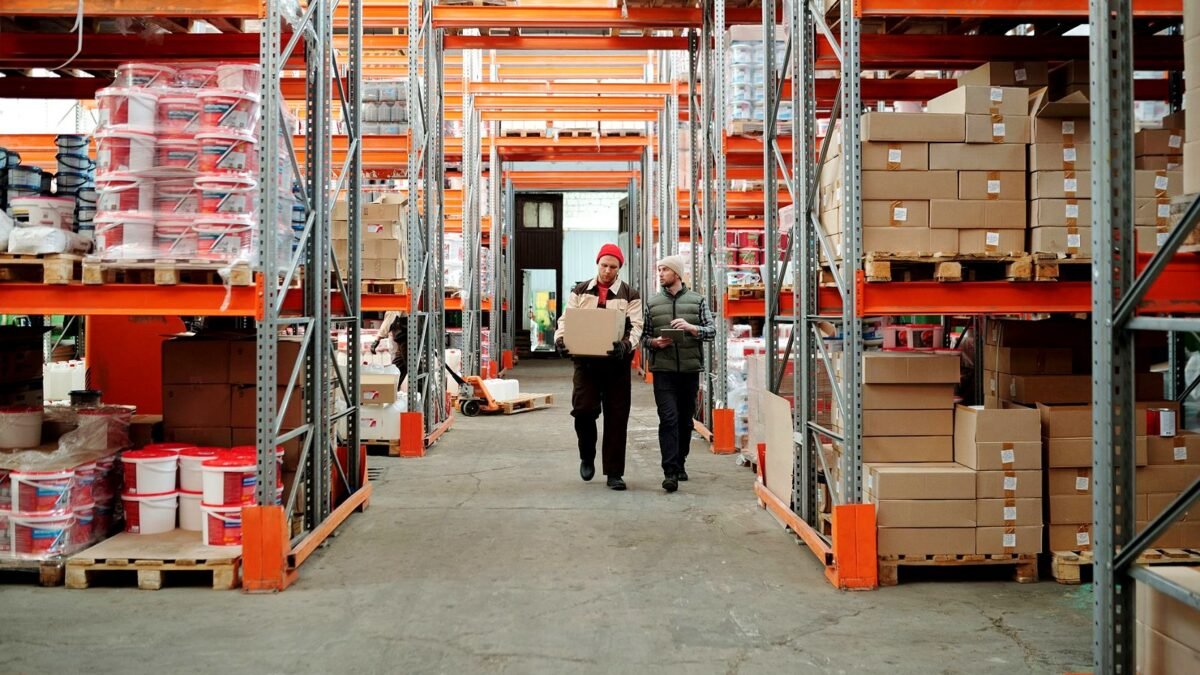
Photo: Tiger Lily / Pexels
The Federal Trade Commission, the US consumer watchdog, has sued Amazon together with the top lawyers of 22 states. The case is in a federal court in Washington state. They say that since 2019 Amazon has charged advertisers too much in its search ad auctions. The complaint says more than a million brands and sellers paid higher prices than they should have. The FTC says Amazon made more than 20 billion dollars this way.
Amazon sold its ad slots as second-price auctions. In that kind of auction the winner pays one cent more than the next-highest offer. The regulator says Amazon added a hidden floor price, which it called a “soft reserve price”. In practice this worked like a made-up extra bidder. It pushed the final price close to the most the advertiser had said it would pay. The complaint says this was used in thirty to forty percent of auctions in 2021, and in about eighty percent by 2024. The biggest increases came during Prime Day and Black Friday. FTC chairman Andrew Ferguson said advertisers “were misled into paying significantly higher prices.”
Amazon denies this and calls the case wrong-headed. It says the average price of a click on Sponsored Products did not really change between 2019 and 2024, once inflation is counted. It says the share of clicks that led to a sale went up by about a quarter. It says floor prices are normal across the industry. Amazon also says most winning ads in 2024 were not the highest offers, because how well an ad fits the search matters as much as the price. The internal emails quoted in the complaint were people thinking out loud, not company policy, it says.
First time a regulator targets a retail media auction itself
This is the first time a regulator has gone straight at the way the auction works inside a closed retail media platform. Retail media means ads sold by online shops. It is now the third-biggest kind of digital advertising, after search and social media. It grew because shops know what people buy, and nobody outside the shop can check that data. That is exactly what the case is about. Three FTC cases against Amazon are now running at the same time. This one is unlikely to end with the company being split up. Fines, refunds and court orders to change pricing are more likely.
Amazon is too big to leave, so buyers must ask harder questions
Walking away is not realistic. Amazon is still the largest online shop in the United States, and its ads sit where people buy. What changes is the conversation. Advertisers and agencies now have a public, written reason to ask any retail media network for its auction records, for its floor prices, and for a contract clause about refunds if pricing is later found to be unfair. The case itself may take years. The questions can be asked this quarter.
Amazon answers that winning bids fell by half
Amazon published its own reply on 31 August on the aboutamazon.com company site. It calls the case misguided and puts forward its own figures. The retailer says the average winning bid for a sponsored product advert in its search results fell by half between 2019 and 2025. It also says that in 2024 about 92 percent of the adverts shown were not the highest bid, and that advertisers saved more than 8 billion dollars between 2021 and 2025 because the auction rewards relevance rather than price alone. Amazon says the regulator read about 1.5 million pages of documents covering six years and then built its case on a handful of simplified messages, which the company calls false. It does admit that some older training material explained the auction in an out-of-date way. These are the company’s own numbers, not findings tested in court. Update of 3 September 2026.
Amazon says winning bids fell 50 percent between 2019 and 2025
Update, 3 September 2026. Amazon has answered the case in a post on its own site. The company calls the lawsuit misguided and says neither shoppers nor advertisers were harmed. It puts forward its own figures: winning bids fell by half between 2019 and 2025, cost per click stayed flat after inflation from 2019 to 2024, and about 92 percent of the ads it placed were not the highest bid. Amazon also says advertisers saved more than eight billion dollars between 2021 and 2025, and that reserve prices have been standard in auctions for decades. All of these numbers come from Amazon and have not been checked by anyone outside the company. The regulator has not withdrawn anything.
Sources
- Adweek — FTC complaint and headline figures, 31 Aug 2026
- Digiday — how the soft reserve price worked, 1 Sep 2026
- Marketing Dive — Amazon's response and internal documents, 1 Sep 2026
- Amazon — company reply to the lawsuit, Amazon own material, 31 Aug 2026
- PR Daily — summary of the Amazon reply and its figures, 2 Sep 2026
- Amazon — the company’s own reply to the FTC lawsuit, 31 August 2026
- PR Daily — coverage of the Amazon reply, 2 September 2026