Unsealed files show OpenAI and Microsoft staff warned AI could replace publishers
Documents unsealed on 17 September in the New York Times copyright case against OpenAI and Microsoft quote staff at both firms on the risk to news publishers.
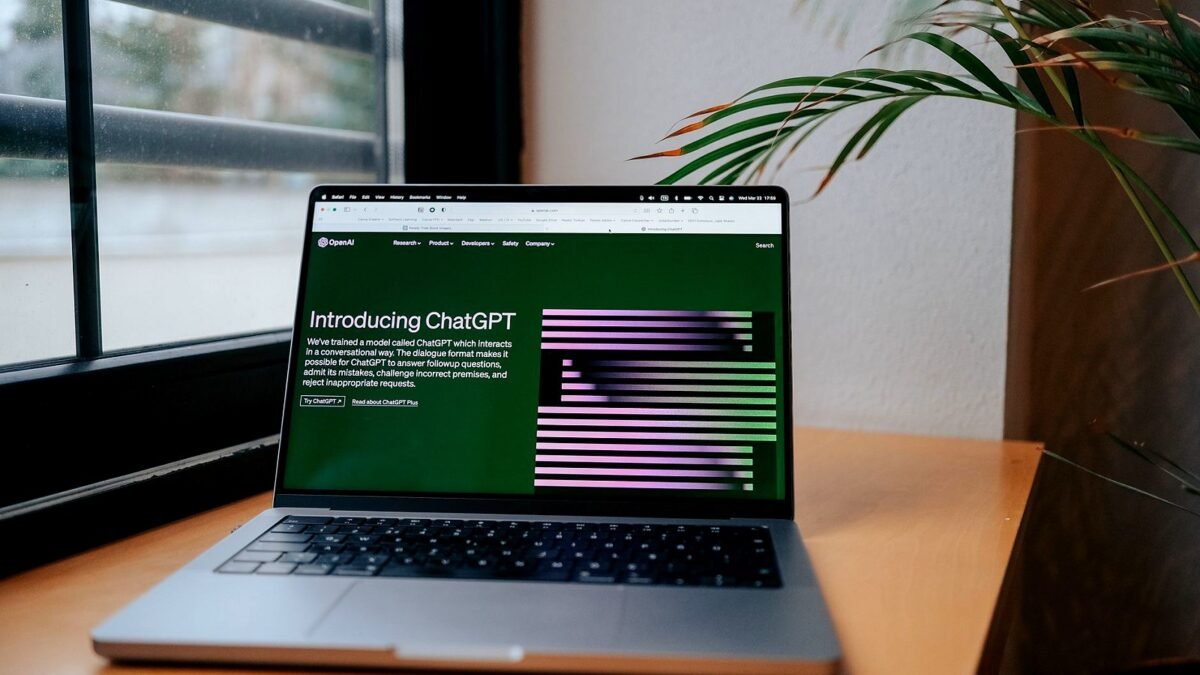
Photo: Hatice Baran / Pexels
A federal court in New York unsealed documents on 17 September in the copyright case brought by The New York Times, the Chicago Tribune and the New York Daily News. The unsealed files come from the publishers’ motion for partial summary judgment against OpenAI and Microsoft.
The Times sued both companies in December 2023. It says they trained AI models on its articles without permission or payment.
Nick Turley called AI an existential threat to publishers
According to TheWrap, Nick Turley, who leads ChatGPT at OpenAI, wrote that publishers faced an “existential threat”. He described AI products as already “largely substitutive”, meaning people use them instead of visiting news sites.
Another OpenAI employee, Nick Ryder, discussed a way to get around the Times paywall when collecting text, TheWrap reported.
A Microsoft document warned of a doom loop for the web
404 Media quoted a Microsoft internal document saying the company’s AI content strategy had started a “doom loop”. The idea is simple. AI answers take traffic from the sites they learn from. Those sites earn less and produce less, and the models get worse data.
Brent Hecht, a director of applied science at Microsoft, called the copying possibly the “largest theft of labor in human history”. Microsoft said his comments were “one employee’s individual perspective”, not the company’s view.
Satya Nadella said chatbots answer on the page
Microsoft chief executive Satya Nadella said in testimony that chatbots can replace a visit to a publisher by giving the answer directly, TheWrap reported. Polish site Wirtualnemedia, citing The Wall Street Journal, added that Nadella said paid content should be licensed.
The court has not ruled on whether the companies broke copyright law. OpenAI earlier accused the Times of seeking an “undeserved payday”. The US government has backed OpenAI in an earlier stage of the case.
Publishers now have OpenAI’s own words in licensing talks
The papers matter beyond this lawsuit. Publishers that are negotiating licences with AI firms can now point to staff at OpenAI and Microsoft describing the same traffic loss they complain about. Google has taken a different route and started paying some publishers through an AI pilot. The next step is the judge’s ruling on the summary judgment motion, which will decide whether the case goes to a full trial.
Sources
- TheWrap — report on unsealed filing, 17 Sep 2026
- 404 Media — report on unsealed filing, 17 Sep 2026
- Wirtualnemedia.pl — report citing The Wall Street Journal, 20 Sep 2026