New X terms of service: no class actions and no jury trials
The X terms of service change on 9 October 2026. Users give up the right to a jury trial and the right to join a class action against the company.
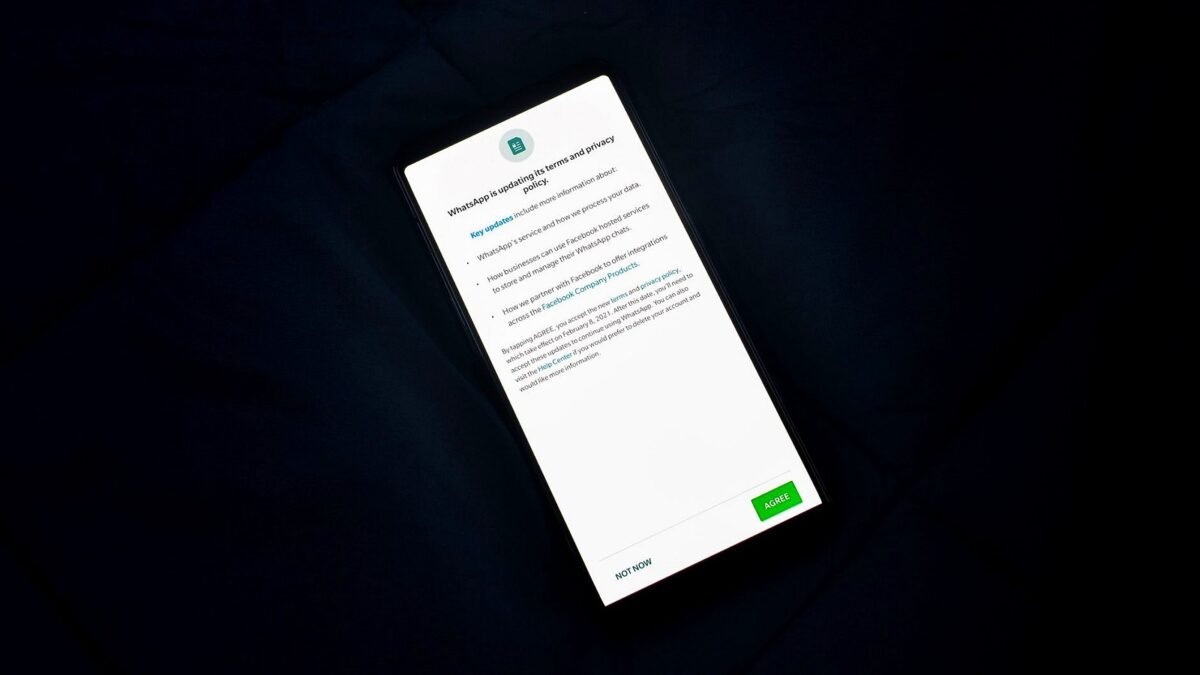
Photo: Rahul Shah / Pexels
The X terms of service change on 9 October 2026. From that day users give up the right to a jury trial and the right to join a class action against the company. X published the new document on 9 September on its privacy blog.
Users must accept the new rules to keep posting after 9 October
Carrying on using the app after that date counts as acceptance. There is no separate button to refuse. On paper the waiver runs both ways. The text says the user and X “waive the right to bring or join a class, collective, or other representative action”. The same wording covers companies in the same group as X. Social Media Today pointed out the timing, because X is defending a class action over its Grok chatbot right now. The new terms do not touch that case.
Disputes outside Europe move to Texas courts, then to arbitration
For users outside the European Union, EFTA and the United Kingdom, X names Texas courts and Texas law. If a Texas court cannot take the case, the terms send it to arbitration. Arbitration is a private hearing outside the court system, so the ruling stays out of public view. Users in the EU, EFTA and the UK are treated separately. X points to Irish law, then adds that this “does not take away protections that cannot be waived” where a person lives.
A new line covers features that act on the user’s behalf
One sentence is easy to miss. Users are responsible for how they use the service, “including features that perform autonomous actions on your behalf”. That line points at AI assistants that post, reply or buy without a person clicking each time. Platforms are writing this kind of clause as agents spread across apps.
What a brand should check before the terms change on 9 October
Agencies and large advertisers sign separate business contracts with X, so this update mainly covers ordinary accounts. Most brands still run their own profiles under exactly these consumer terms. Before 9 October it is worth knowing who inside the company accepted them and whether any automated tool posts on the brand’s behalf. Regulators are looking at platform rulebooks too, and an American watchdog is preparing a case against YouTube over how it polices videos. Platform terms are becoming a brand safety question, not a legal footnote, in the same way changes to comment sections quietly reshape where brands can be tagged.
Sources
- X privacy blog — the platform's own notice on the updated terms, 9 September 2026
- Social Media Today — report on the waiver and the pending class action, 9 September 2026